
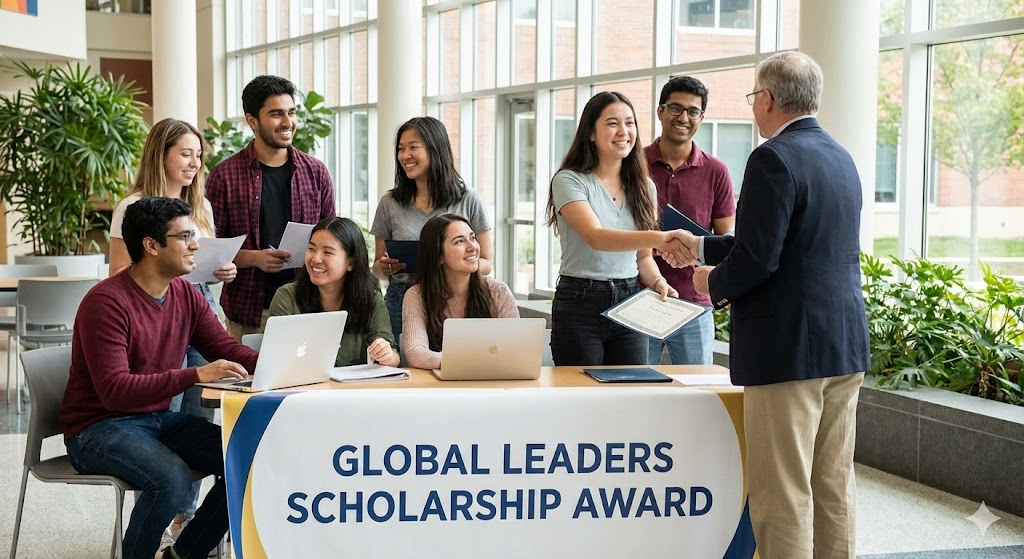
How to Apply for Scholarships — A Practical Roadmap
Securing a scholarship is a mix of targeted research, consistent application habits, and strong personal narrative. Rather than chasing every advertised opportunity, be strategic: prioritize scholarships that match your profile and where you can contribute unique value. Here’s a step-by-step roadmap students can follow to make the process efficient and effective.
Step one: build a shortlist. Use a simple spreadsheet with columns: scholarship name, deadline, eligibility, application links, required documents, and estimated effort. Aim to find five “high-fit” scholarships and a few “stretch” options. High-fit means you meet most criteria and can submit a strong application quickly.
Step two: gather materials early. Common requirements include CV, transcript, motivation letter, personal statement, and referee contacts. Prepare clean, updatable versions of each. Your CV should emphasize measurable outcomes (e.g., “Led a team of 8 volunteers delivering 1,200 hours of community tutoring”), not only responsibilities.
Step three: craft the narrative. Scholarship committees read many applications — clarity and authenticity stand out. For essays, use a tight structure: context → action → impact → reflection. Show what you learned and how the scholarship will amplify your impact. Avoid generic lines; name specific goals and how funding helps you achieve them.
Step four: get referee support. Approach referees early with a short brief: why you’re applying, deadline, suggested points they might mention, and your updated CV. Many strong references fail to materialize because applicants don’t provide context; make it easy for your referee to write a focused letter.
Step five: polish and submit smartly. Use checklists to verify attachments and format requirements (PDF, file size, filename conventions). Submit at least 24 hours before deadline to avoid last-minute tech issues. Keep copies of everything and a simple status tracker.
Finally, learn from rejections. Many shortlisted applicants don’t get awards. When you don't win, ask for feedback (if available), refine essays, and reuse materials for the next cycle. By turning each application into an iteration, your odds improve dramatically. Scholarships aren’t only luck — they reward clarity, persistence, and aligned purpose.